AGENCYPTEN+ Get in touch
Flights

Bookings · Flights

Flights

Private jet through certified operators. First and business at the best available fares.

Proposal within 24 business hours

The house reading

The flight is not the start of the trip. It is the piece that decides whether the rest fits.

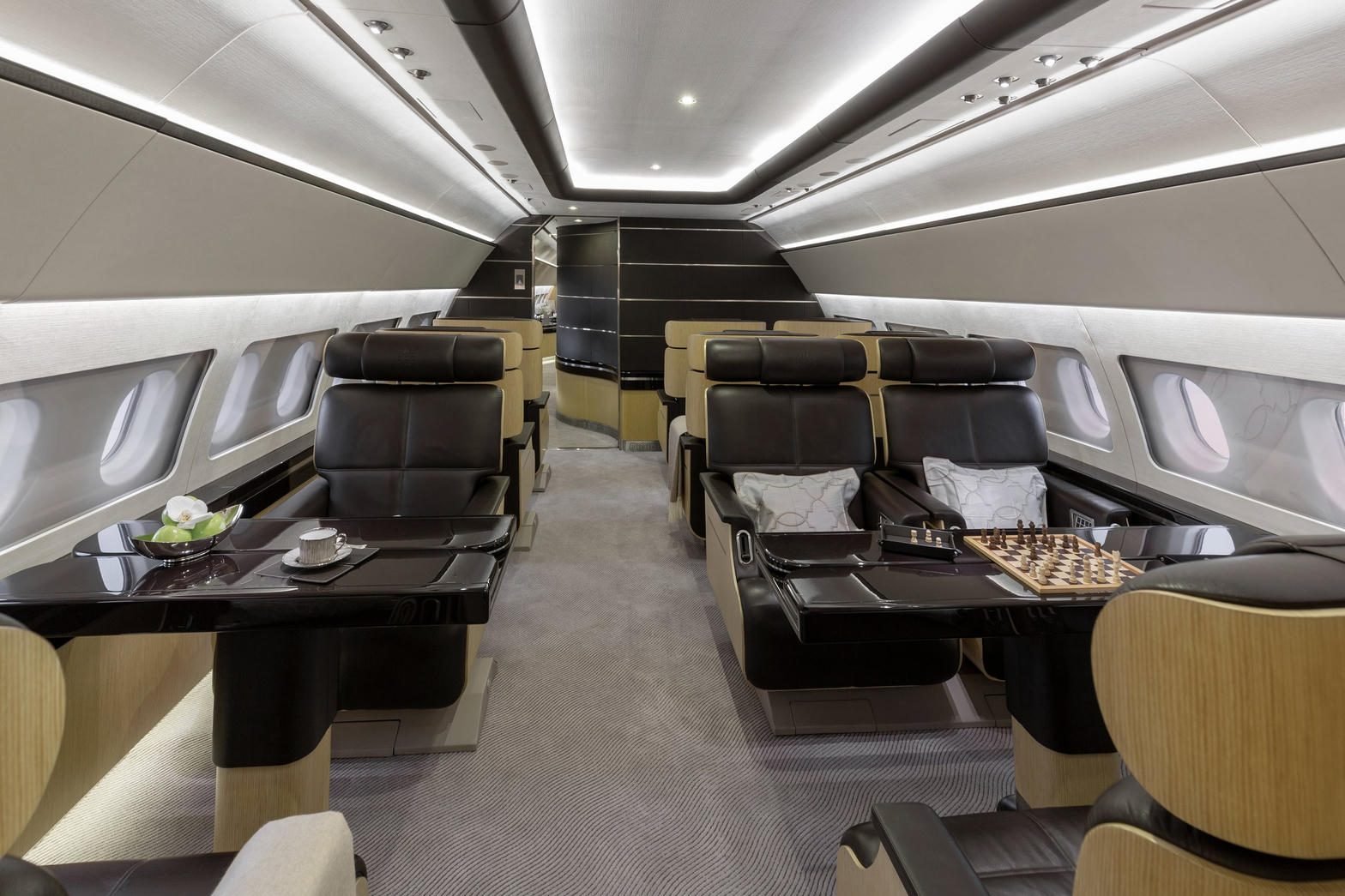
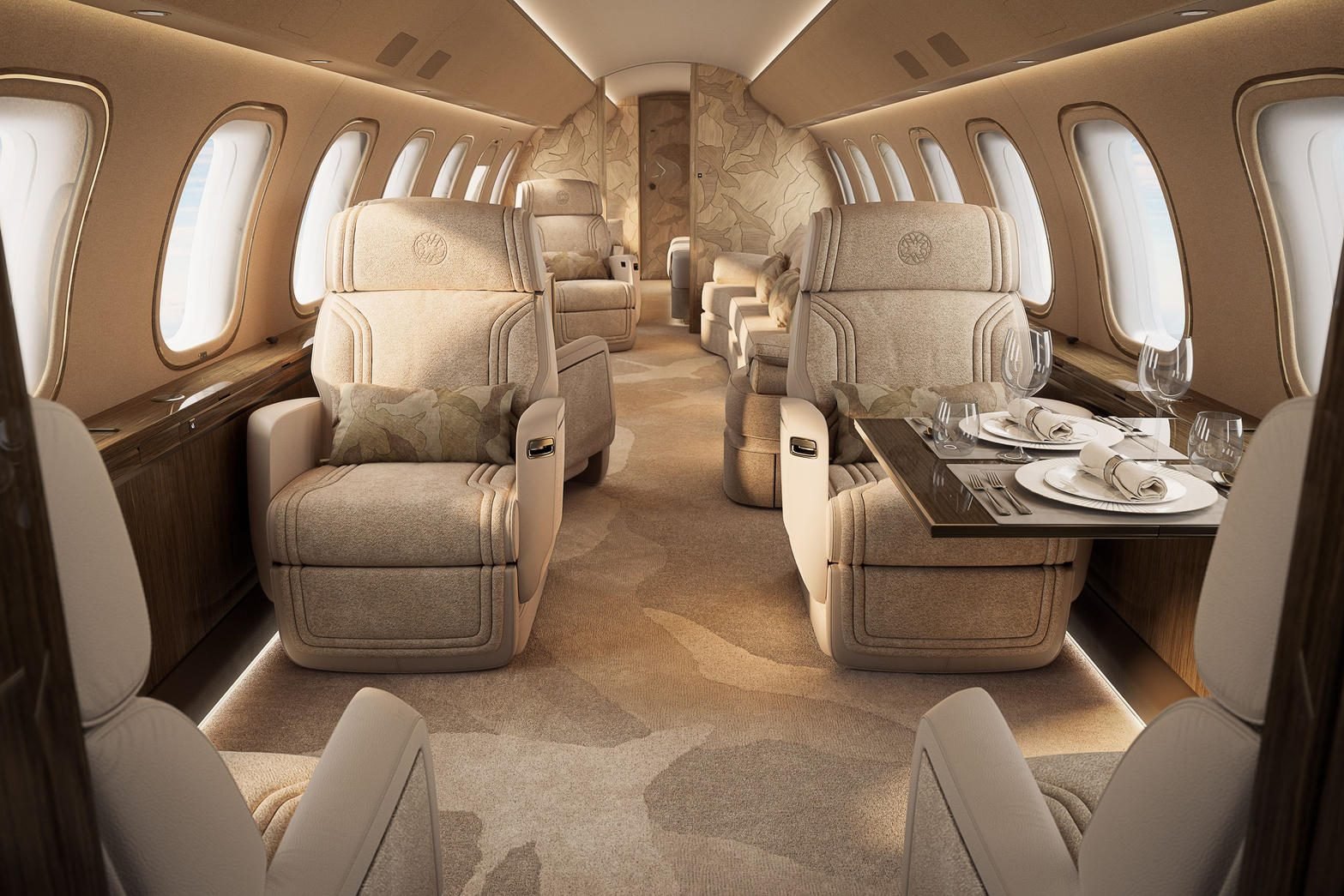
In private aviation we work only with operators certified by the relevant authorities, choosing the aircraft by route and passenger count, not by what happens to be available.

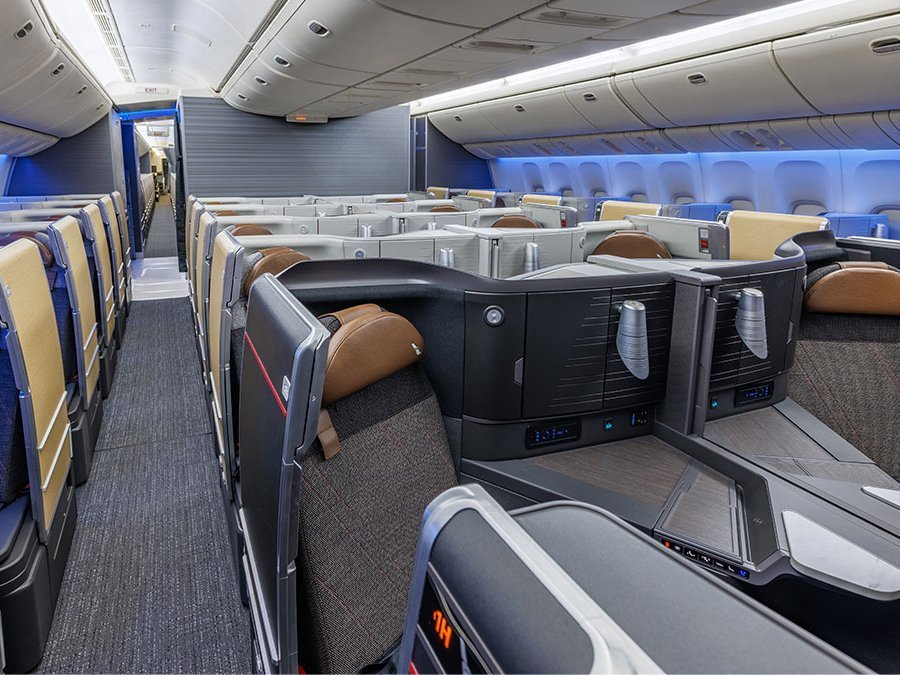
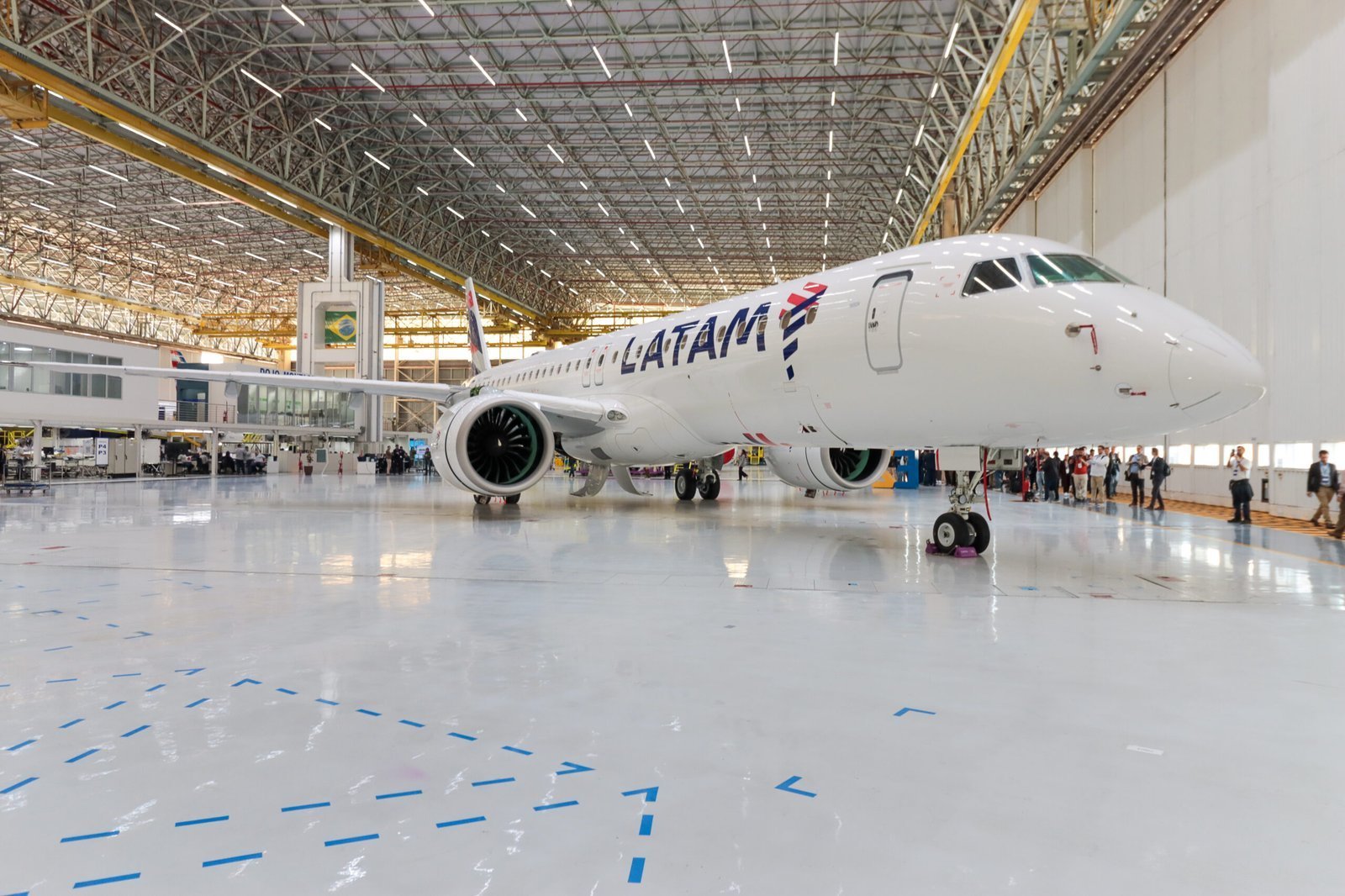
On commercial flights, we issue first and business at the best fares we can secure, always integrated with the itinerary: schedules that work with the event and the hotel.

Private

Certified operators

Commercial

First and business

Criterion

Route and passenger count

What is included

  • Aircraft suited to the route
  • Or first and business ticketing
  • Transfers at both ends
  • Schedules integrated with the itinerary
Arrival
Arrival
The destination
The destination

One flight, two structures

Scheduled cabin or private charter.

The first decision is structural. Route, passenger count, timing and baggage show which format fits the rest of the trip.

Scheduled cabin

First and Business, within the airline network.

The flight follows the airline’s regular operation. We align cabin, fare and timing with the event and the hotel.

  • First or Business cabin
  • Times aligned with the itinerary
  • Fare conditions set out in writing

Private charter

The aircraft follows the route, not the catalogue.

We work with certified operators and select the aircraft by journey and passenger count.

  • Certified operator
  • Aircraft suited to the route
  • Transfers coordinated at both ends

The route brief

Six details shape the first plan.

With these points, the comparison begins with how the trip needs to work. The proposal sets out the format, timing and conditions of each alternative.

Origin
Departure city or airport
Destination
Final city or airport
Dates
Planned outbound and return
Passengers
Number of people travelling
Baggage
Volume and non-standard items
Flexibility
Acceptable day and time windows

How the fare works

The same seat, a different fare bucket.

Airlines file several fare classes for the same Business Class seat. Some are published and appear on their website; others are private, filed only for accredited consolidators with contracted volume. We buy in that second group, through a consolidator and other suppliers.

The seat

The same cabin, the same lounge, the same baggage allowance, the same meal. Nothing about the flight changes.

The ticket

Issued on the airline’s own stock, with a real booking reference. It appears in your frequent flyer account like any other purchase.

The trade-off

Change and refund rules are stricter. We put them in writing, in full, before you pay anything.

Savings depend on the route, how early you book and whether the private fare class is open on your dates. When the published fare is the better one, we say so and sell that instead.

Commercial cabin

Nine honest ways business class costs less.

None of these is a trick. Each one is either a published airline rule, a wholesale contract or a piece of itinerary design. What moves the price of a business seat is rarely luck, and almost never the search button.

Consolidator fares

There are fares contracted between airlines and wholesalers that appear neither on the airline site nor in any search engine. The gap to the published fare is widest exactly where you want it: business class, long haul. In exchange, the change rules are usually harder and mileage accrual is sometimes reduced. Both columns go on the same screen, before we issue.

Tour operator fares, when the flight is part of the trip

Some airlines run a separate fare for tickets issued alongside the land programme. It is legitimate when the trip genuinely includes that programme, which is our case. We do not issue a bare ticket on that fare, because there it turns into a penalty.

The ladder of classes inside business

Business is not a price, it is a queue. J and C are the full, flexible fare. D, I and Z are the lowest business fares, and their availability shifts hour by hour. The work is finding the lowest class whose rule still serves your trip.

Official stopovers

Several airlines let you stop in the connecting city at no fare cost: Paris on Air France, Panama City on Copa, Lisbon or Porto on TAP, Istanbul on Turkish, which throws in the hotel. Two trips for the price of one, and it is in the published rule.

Fifth freedom

A sector flown by an airline between two countries that are not its own tends to price better, through competition and aircraft utilisation. It enters the design when the route allows.

Multi-city and open jaws

Arriving through one city and leaving from another, or splitting the outbound and the return between airlines, changes the price. A separate ticket costs you connection protection, and that is written down beforehand, not after.

Premium economy on the right sector

On a daytime flight of up to nine hours, or on a positioning leg inside a longer trip, premium economy frees the budget for business on the sector that actually matters.

Your own card programme

The Amex Platinum International Airline Program offers better fares in first, business and premium economy on around twenty-eight airlines, and the ticket earns miles normally. The benefit is yours. We issue inside it when it closes better than our own fare.

Your miles, never anyone else’s

We issue award tickets from your own account and handle the upgrade when inventory exists. We do not buy, do not sell and do not operate other people’s accounts. That is precisely what gets a ticket cancelled at the desk.

What we do not do, and it is worth saying out loud: hidden city, throwaway ticketing, fictitious origin, married-segment breaking and buying third-party miles. All of it works right up until the airline cancels the ticket, and then it works against you.

Rules

What is your right, and what is just the fare rule.

Almost every frustration with an air ticket comes from confusing the two. Brazilian civil aviation rules guarantee a set of rights no fare can override. Everything else is contract, and it changes from ticket to ticket.

Your right, on any fare

Cancelling within twenty-four hours of purchase at no cost, when the ticket was bought seven days or more before the flight. Communication after one hour of delay, food after two, hotel and transfer after four with an overnight. Above four hours of delay, cancellation or denied boarding, you choose between rebooking, a refund or another form of transport. Refund within seven days. Airport taxes always come back.

Fare rule, not a right

The penalty and the change fee outside that twenty-four hour window. The fare difference, because rebooking is not rebooking at the same price. The no-show rule, which lets the airline cancel your return if the outbound goes unused. Seat, checked baggage, upgrade, mileage accrual and endorsement to another airline. None of that is guaranteed by law.

Which is why your ticket rule goes in writing before issue, next to the price, and not in an email afterwards. Reference: ANAC Resolution 400, text in force as of September 2026.

Cabin

Six criteria that separate one business class from another.

Two airlines sell business on the same route at the same price and deliver different trips. The difference is almost always in these six points, and none of them shows up in a search engine.

Direct aisle access

In a one-two-one layout nobody climbs over anybody. In a two-two-two, half the cabin depends on the neighbour waking up.

A bed that is actually flat

Flat means horizontal. Angled flat is sloped, and over ten hours the difference shows up in your back and in your sleep.

A suite with a door

Some products genuinely close. It changes the sleep, the work and the sense of being alone.

Where the seat sits

Front row, exit row, next to the galley or the lavatory. The cabin map weighs as much as the name on the tail.

The aircraft, not the airline

The same airline flies different cabins on the same route depending on the day’s equipment. Confirming the type is part of the work, and it is where most people get caught.

What happens on the ground

Lounge, priority boarding, a shower on the connection, and the ground transport some airlines include in business without mentioning it.

On the ground

What we settle before the gate.

The ticket ends at issue. The trip starts at the airport, and that is where most of the wear happens. Each item below is handled by us, with a name attached.

The seat chosen at issue

Not at check-in, when what is left is the middle one behind the galley. The map is read with you and the seat goes into the booking the moment the ticket is written.

Check-in opened and boarding pass issued

Twenty-four hours out, without you having to remember. The pass arrives ready.

Lounge access, where the fare or the card gives it

We tell you beforehand which lounge you have on each connection, and through which door. When there is none, we say that too.

Fast track and arrivals assistance

Where the airport offers it, it is arranged. Where it does not, we do not promise it.

Transfers at both ends

Timed to the flight, not to the clock. If the flight is late, the car knows.

One person for the whole trip

Whoever built the itinerary is who answers when something moves. No call centre, no ticket number, no starting the explanation over.

The routes

What leaves Brazil, and what it costs today.

Published round-trip Business Class fares out of São Paulo in high season and late booking, which is when most trips actually happen. The saving beside each is what we usually reach. The exact figure comes in the written quote.

RouteProductPublished referenceUsual saving

São Paulo · Tokyo

Qatar Qsuite, Emirates, Turkish or Europe, connectingR$25,000 to R$38,00025% to 45%

Published figures are market references collected in 2026, for round trips including taxes, in the high season and late booking scenario. Outside peak, the ranges come down. They are not our prices: the negotiated fare is quoted per request, in writing, before any payment.

The shuttle

Congonhas and Santos Dumont, booked the same day.

The São Paulo–Rio shuttle is the most predictable route in the country and the most brutally priced at the last minute. Inside the final week the published fare climbs every day, and the seat is exactly the same one.

One-way fare, CGH to SDU, in the final week, at peak hours

Published market references collected in 2026, one way, premium economy at business hours, including taxes. Outside peak hours they come down.

7 daysR$ 1.480 · R$ 880
5 daysR$ 1.780 · R$ 1.020
3 daysR$ 2.150 · R$ 1.180
48 hoursR$ 2.480 · R$ 1.340
Day of travelR$ 2.980 · R$ 1.490
Published fareOur fare
Up to 50% off inside the final week
  • Seats on the shuttle for the same day, when there is still inventory
  • Both airports, Congonhas and Santos Dumont, with the terminal chosen by traffic
  • Changes by message, without a call centre
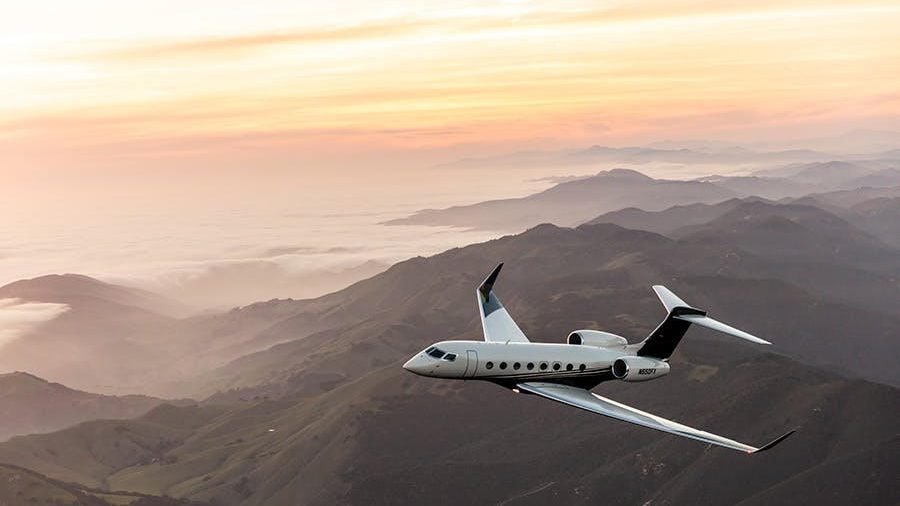
  • Private jet on the same route when four or more travel together

The fare depends on the class still being open on the departure you want. We say what exists before you commit to anything, and when the published fare is the better one, we sell that.

Private aviation

Six categories, and what each one reaches.

Choosing the aircraft starts with distance and passenger count, not with what happens to be on the ramp. This table is the first cut of any charter conversation.

CategoryTypical modelsPassengersRangeWhat it solves out of São Paulo
Very lightPhenom 100EX, HondaJet Elite II, Citation M25 to 7up to 2,900 kmRio, Porto Seguro and Buenos Aires. Noronha and Santiago sit at the limit.
LightPhenom 300EV, Citation CJ3, Learjet 758 to 10up to 3,800 kmAll of Brazil, Noronha included, and the near Southern Cone nonstop.
MidsizeCitation Latitude, Learjet 60XR, Hawker 900XP7 to 94,400 to 5,400 kmAdds Patagonia. The Latitude is the first with a genuine stand-up cabin.
Super midsizePraetor 600, Challenger 3500, Citation Longitude10 to 126,300 to 7,400 kmMiami nonstop, with real margin only on the Praetor 600.
HeavyGulfstream G450, Challenger 605, Falcon 2000LXS9 to 147,400 to 8,100 kmMiami comfortably. New York at the limit, and only on the G450.
Ultra long rangeGulfstream G650ER and G700, Global 7500, Falcon 8X12 to 1911,900 to 14,400 kmNew York, Lisbon and London nonstop, with a full cabin.

Catalogue range is measured with few passengers, no wind and standard conditions. With a full cabin, baggage and a headwind, it drops. Which is why the technical stop, where there is one, appears in the proposal from the first draft, not on the day of the flight.

How to check the operator

Range

Eleven routes, and the minimum aircraft for each.

The real distance of each leg and the smallest category that closes it without a technical stop. This is where a charter conversation should begin, rather than with a catalogue of available aircraft.

RouteDistanceMinimum category, nonstop
Rio de Janeiro344 kmVery light
Porto Seguro, for Trancoso1,094 kmVery light
Buenos Aires1,721 kmVery light
Santiago2,617 kmLight
Fernando de Noronha2,642 kmLight
El Calafate3,713 kmMidsize
Punta Arenas3,874 kmMidsize
Miami6,554 kmSuper midsize, real margin only on the Praetor 600
New York7,636 kmHeavy, at the limit
Lisbon7,911 kmUltra long range
London9,436 kmUltra long range

Great-circle distances from Guarulhos. The route actually flown tends to run two to six per cent longer, and that is the one the flight plan uses.

Empty legs

The aircraft that is flying back empty anyway.

When a jet takes someone to Trancoso on Friday and has no passenger back until Sunday, the return sector flies empty regardless. That sector costs a fraction, and the operator would rather sell it than fly it with nobody on board.

The route is the one that already exists

You do not pick the origin or the destination. If the pair works for you, it works.

The date moves little, the time almost not at all

The window belongs to the original flight. Anyone with flexibility on the day pays far less for the same aircraft.

Confirmation comes close to departure

And the sector can fall through if the original charterer changes plans. That is said upfront, not afterwards.

Numbers

What is measured on this page.

2013

the year the house started publishing on travel

24 h

the proposal window, in business hours, with route and conditions

6

aircraft categories, with passengers and range

11

routes with range calculated out of São Paulo

Samples

Three trips, and how the flight was built.

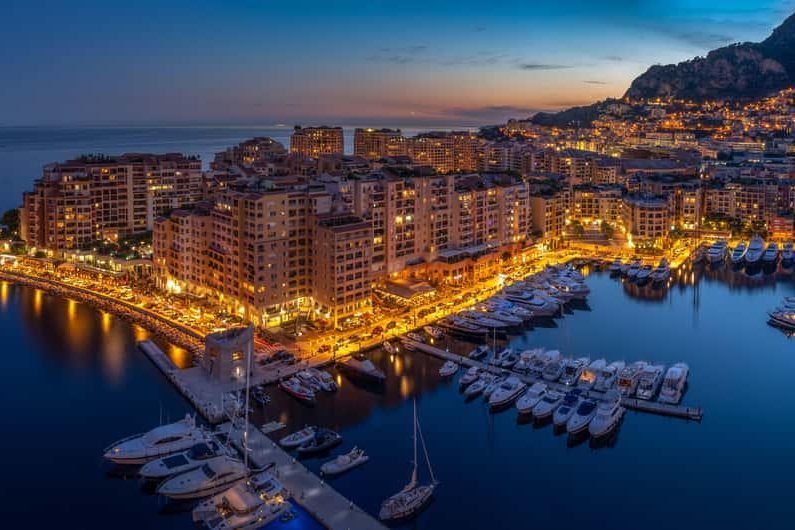
Port Hercule

Monaco, June 2027

Grand Prix, seven nights

Business to Nice via Paris or Frankfurt, returning out of Nice on the Sunday after the race. Helicopter transfer between airport and principality at both ends.

Business from R$ 14,000reference figure per person, round trip, on the negotiated fare

Marrakech at dusk

Marrakech, April 2027

Seven nights between medina and palm grove

Business to Marrakech via Lisbon, Madrid or Paris. A night in Europe on the way out is often cheaper than the short connection, and buys you a dinner.

Business from R$ 12,000reference figure per person, round trip, on the negotiated fare

New York

New York, December

Shopping week, with Art Basel after

Business direct from São Paulo or Rio, returning through Miami when the schedule calls for it. It is the route where the gap between published and negotiated fare shows most.

Business from R$ 15,000reference figure per person, round trip, on the negotiated fare

Request a quote